
The Hardest Interaction to Fix May Be the One That Seemed to Go Well
Some of the most important clinical breakdowns are easy to miss. The patient nods, agrees with the plan, and leaves without any obvious resistance—then nothing changes.
HEArT gives clinicians five interaction stages to evaluate when an interaction seems to go well but never becomes meaningful patient action.
The patient who yells is easy to notice.
The patient who yells gets your attention. The family member who storms out gets everyone's attention. The encounter that ends in a complaint, a canceled procedure, or a formal grievance leaves little doubt that there was friction in the interaction.
Visible friction is hard to miss.
What if the interaction that needs the most attention is the one that gave you no reason to worry?
The patient nods through the entire home program explanation and does none of it.
They agree to the referral and never make the appointment.
They say, "That makes sense. I'll try it," and return six weeks later with the same problem, slightly worse and perhaps a little more discouraged.
No argument. No difficult questions. No obvious resistance.
They simply do not follow through.
By the usual signals, the interaction may have looked successful. The clinician was respectful. The information was accurate. The recommendation was evidence-informed. The patient appeared to understand.
And nothing changed.
This is one of the problems HEArT is designed to help us examine: the gap between an interaction that appears to go well and what happens after the patient leaves.
Healthcare has developed valuable approaches for conflict, de-escalation, difficult news, shared decisions, motivation, and patient education. Those tools matter.
But there is another clinical experience that is remarkably easy to overlook:
What do you do when nothing obviously went wrong?
When the patient isn't angry. They don't disagree. They don't tell you the plan won't work.
When the interaction ends pleasantly—and the recommendation quietly disappears once real life resumes.
The temptation is to interpret agreement as evidence that everything worked.
But a nod can mean many things:
I understand.
I don't understand, but I don't want to ask again.
I understand, but I disagree.
I agree, but I can't do this.
I don't want to disappoint you.
I just want to go home.
Any of these are possible.
That's why HEArT isn't primarily a framework for managing difficult people or difficult conversations.
So where do you look when nothing obviously went wrong?
HEArT gives clinicians five stages of the interaction to evaluate when good clinical decisions aren't becoming patient action.
Hello → Evaluate the conditions.
What did this person experience before you even began?
Perhaps the conditions never supported enough safety or openness for the patient to fully participate.
Explore → Evaluate what you know.
What information is still missing?
The patient answered every question you asked, but is there more information that would change your understanding?
Align → Evaluate the priorities.
Are you actually solving the same problem?
Maybe the patient agreed to your goal, but another problem or priority mattered more.
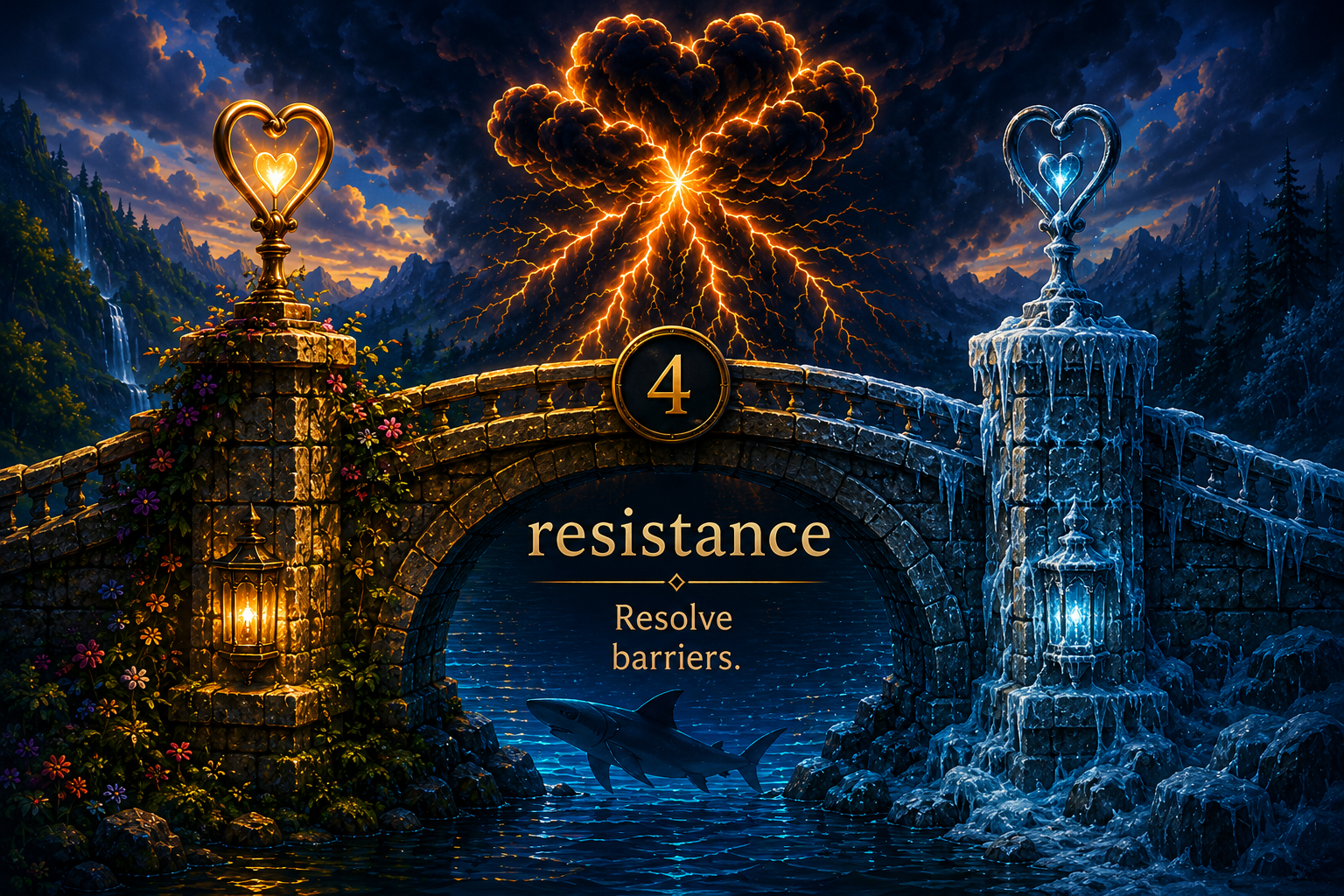
resistance → Evaluate the friction.
What is making forward movement difficult?
Would you notice resistance if it never sounded like “no”? The absence of visible resistance does not mean there is no friction. Cost, fear, fatigue, competing demands, or genuine disagreement may never appear as an argument in the room.
Teach → Evaluate readiness for action.
Will this plan survive outside the clinic?
The patient may understand the recommendation perfectly well and still have difficulty remembering, organizing, or carrying it out later. Teaching has to survive the distance between understanding something in the room and acting on it after the patient leaves.
None of those problems requires a dramatic encounter.
That's precisely why they're easy to miss.
HEArT gives us a way to look again, not simply at what was said, but at the larger interaction surrounding what happened next.
Because the question isn't only:
"Did the appointment go well?"
It's:
"What happened after it did?"
A pleasant interaction can still contain unanswered questions about alignment, feasibility, readiness, and friction. HEArT gives clinicians a structured way to go back and find them.
Under Pressure: Why People Resist — and How to Help Anyway
Share contact information and get notified when course materials are available.
It’s in the works, I promise!